
TL;DR
At CES, two previously little-known EV brands—Nebula Next and Kosmera—appeared with luxe electric sports-car prototypes that have ties to Dreame, a major Chinese robot vacuum maker. The shows underscore a broader trend of Chinese electronics companies using established supply chains and manufacturing know-how to enter the auto industry.
What happened
At the Consumer Electronics Show, Nebula Next and Kosmera unveiled sleek electric sports-car prototypes that are not yet available for sale. Both brands have reported links to Dreame, a prominent Chinese robot vacuum company; conference exhibitor listings associated the booths with Dreame even as the brands say they operate independently. The prototypes drew attention because they illustrate a growing pattern: Chinese consumer-electronics firms are translating experience in mass manufacturing and systems engineering into vehicle development. Observers at CES pointed out comparable moves, including a vacuum-company founder launching an EV firm in 2023 and Xiaomi releasing its first EV in 2024. Industry analysts at the show noted that China’s deep supplier networks and engineering talent make it feasible for newcomers to attempt carbuilding, but success is far from assured. The Nebula Next and Kosmera models remain concept-level demonstrations rather than market-ready vehicles.
Why it matters
- Shows how Chinese electronics manufacturers are leveraging existing production ecosystems to enter the EV market.
- Signals growing competition for traditional automakers and established Chinese carmakers from nontraditional entrants.
- Highlights the blurred lines between consumer electronics and automotive product development in China.
- Underscores uncertainty: strong supply chains lower barriers to entry, but few newcomers are likely to achieve lasting commercial success.
Key facts
- Nebula Next and Kosmera displayed electric sports-car prototypes at CES that are not yet commercially available.
- Both brands have connections to Dreame in the event’s exhibitor directory; the brands say they operate independently.
- Dreame is described in the source as a leading Chinese robot vacuum company.
- China’s electronics-to-EV trend includes other examples: a Roborock founder launched an EV company in 2023, and Xiaomi released its first EV in 2024.
- An industry analyst at CES said China’s supply chain, engineering talent, and manufacturing ecosystem make it easier for newcomers to attempt building cars, though many will likely fail.
- CES hosted at least 900 Chinese tech companies this year, about a quarter of total exhibitors, reflecting broad Chinese participation across AI, EVs, self-driving tech, and other categories.
- Neolix, a separate Chinese company, says it deployed roughly 10,000 autonomous delivery vans in 2025 and claims over 60% share of that market—figures reported at CES.
- The Nebula Next and Kosmera booths were cataloged in the CES directory as tied to Dreame, despite the brands’ public claims of independence.
What to watch next
- Whether Nebula Next and Kosmera publish timelines or concrete plans for production and sales—not confirmed in the source.
- Clarification of the corporate and financial relationship between Dreame and the two EV brands: public claims of independence contrast with exhibitor listings—not confirmed in the source.
- Neolix’s international pilots and approach to U.S. regulatory scrutiny, including partnerships with local firms and compliant cloud providers, as it seeks expansion.
Quick glossary
- EV (electric vehicle): A vehicle powered primarily by electric batteries rather than an internal combustion engine.
- Prototype: An early sample or model built to test a concept or process before full production.
- Supply chain: The network of suppliers, manufacturers, distributors and logistics that produces and delivers a product.
- Robotaxi / robovan: An autonomous vehicle configured for passenger or goods transport that operates without an onboard human driver.
- Generative AI: Artificial intelligence systems that create new content—such as text, images, audio, or video—based on learned patterns from existing data.
Reader FAQ
Are Nebula Next and Kosmera owned by Dreame?
The brands are linked to Dreame in the CES exhibitor directory, but the companies say they operate independently; the precise ownership or corporate structure is not confirmed in the source.
Are the cars shown at CES available to buy?
No. The vehicles presented were prototypes and are not yet on the market.
Why are vacuum and electronics makers entering the EV market?
Observers at CES point to China’s mature supply chains, engineering talent, and manufacturing ecosystem, which lower barriers for electronics firms to try building cars.
Will these new entrants be successful?
Not confirmed in the source; a market analyst at CES warned that while many can try, only a few newcomers are likely to succeed.
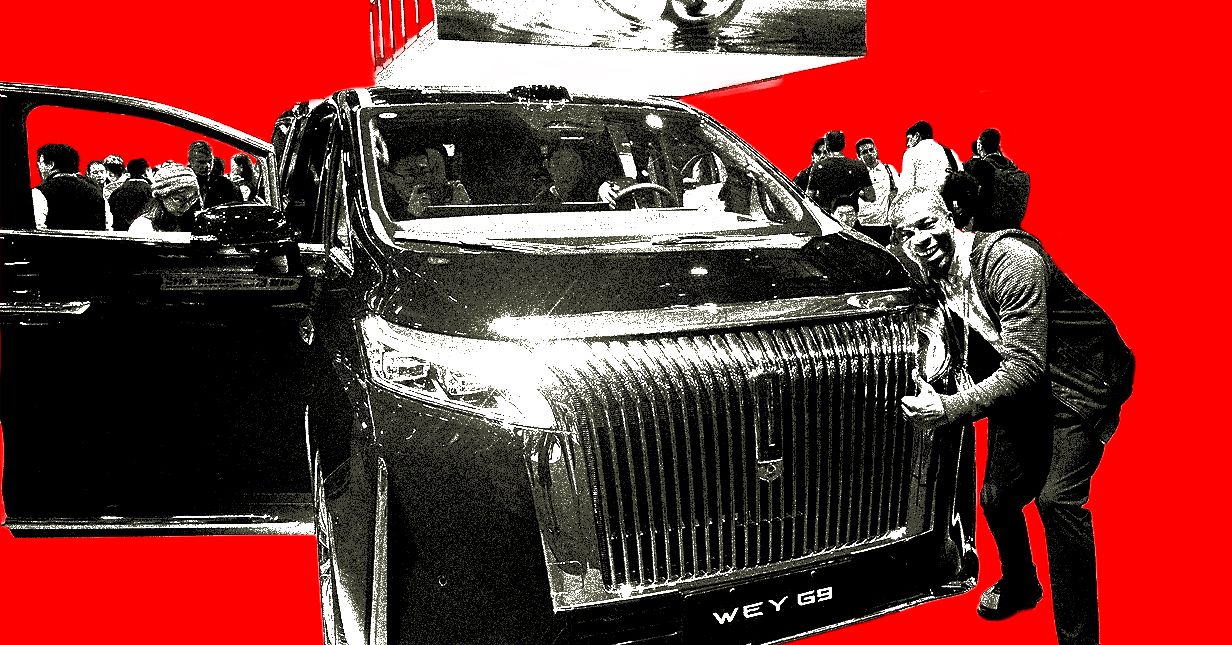
ZEYI YANG BUSINESS JAN 8, 2026 4:25 PM Why a Chinese Robot Vacuum Company Spun Off Not One but 2 EV Brands The pivot doesn’t look out of place at…
Sources
- Why a Chinese Robot Vacuum Company Spun Off Not One but 2 EV Brands
- Okay, even robot vacuum companies are making electric …
- China's Vacuum Cleaner Manufacturers Set Sights on EV …
- Now Chinese vacuum makers are building cars!
Related posts
- Notion Portals: Add row-level permissions and client-facing portals to Notion
- Texas court briefly bars Samsung from TV tracking, then vacates TRO
- Samsung signals possible Galaxy S26 price hike as component costs climb