
TL;DR
Device makers are removing physical SIM slots to save internal space, and Google’s Pixel 10 US models are eSIM-only. After moving to eSIM, the author experienced two account-transfer failures that required carrier intervention and a store visit.
What happened
Manufacturers have been phasing out removable SIM cards in favor of embedded SIMs (eSIMs), which save board space and let phones store multiple carrier profiles. Apple led the shift with an eSIM-first iPhone 14, and Google made US Pixel 10 models eSIM-only. The eSIM standard dates back to 2016 and has since been added to Android with tools for downloading and transferring profiles. In three months using an eSIM-only Pixel 10, the author ran into two occasions where their phone number became inaccessible during transfers. One incident was resolved through the carrier app after some back-and-forth support; the other left the author without text-based verification and forced an hour-long trip to a retail store to reinstall service. The piece argues that reliance on SMS for carrier identity checks makes eSIM transfers fragile compared with the virtually foolproof physical SIM swap.
Why it matters
- Removing physical SIM slots changes how people move phone numbers between devices and can complicate recovery of service.
- Carriers’ reliance on SMS for account verification can create a deadlock when the phone number is temporarily inaccessible.
- eSIMs are soldered and programmable, offering flexibility and space savings, but introduce new failure modes and support burdens.
- Differences in provisioning policies and app-based authentication among carriers affect how smoothly eSIM transfers work for consumers.
Key facts
- eSIM was introduced as a standard in 2016 and has been adopted gradually by smartphone makers.
- An eSIM is a programmable, non-removable component soldered to a phone’s circuit board that can store multiple carrier profiles.
- Apple first required eSIM-only operation on a major model with the iPhone 14.
- International iPhone 17 models with a physical SIM slot reportedly have about an 8% smaller battery than the eSIM-only version.
- Google’s Pixel 10 US models are eSIM-only; international Pixel 10 models retain a physical SIM slot.
- Android added system-level support for downloading and transferring eSIMs prior to wider adoption.
- The author experienced two eSIM transfer failures in three months: one resolved via carrier app authentication, the other required an in-store visit because SMS verification was unavailable.
- Carriers commonly use SMS to verify identity for account changes, which can fail if the user lacks access to their number during a transfer.
- Google Fi allows eSIM downloads through its app secured by the user’s Google account, which the author cites as a strong consumer-facing implementation.
What to watch next
- How more carriers and OEMs handle account verification and eSIM provisioning workflows (not confirmed in the source).
- Whether regulators or carriers adopt alternatives to SMS-based verification to reduce lockout risk (not confirmed in the source).
- Whether other major phone makers follow Google and Apple in shipping more eSIM-only models, and how those models differ in hardware trade-offs (not confirmed in the source).
Quick glossary
- eSIM: A built-in, programmable SIM chip soldered to a device’s circuit board that can store one or more carrier profiles and is managed in software.
- nanoSIM: The smallest form of removable SIM card commonly used in smartphones before eSIM adoption.
- Provisioning: The process by which a carrier installs and activates a SIM profile on a device, whether physical or embedded.
- Multifactor authentication (MFA): Security measures that require users to present two or more proofs of identity—often a password plus a secondary factor like an SMS code or authenticator app.
Reader FAQ
Why are manufacturers moving away from physical SIM cards?
To save internal space for other components; eSIMs take up less board area and allow flexible profile storage.
Is eSIM more secure than a physical SIM?
eSIMs can prevent physical SIM theft and support multiple profiles, but the article reports new failure modes tied to provisioning and carrier verification.
What happens if an eSIM transfer fails?
In the author’s experience, resolving a failed transfer required carrier support; one case was fixed via the carrier app, another necessitated an in-person store visit because SMS verification was inaccessible.
Are there carrier implementations that reduce eSIM lockout risk?
The author points to Google Fi’s app-based eSIM downloads protected by Google account security as a better consumer-facing approach.
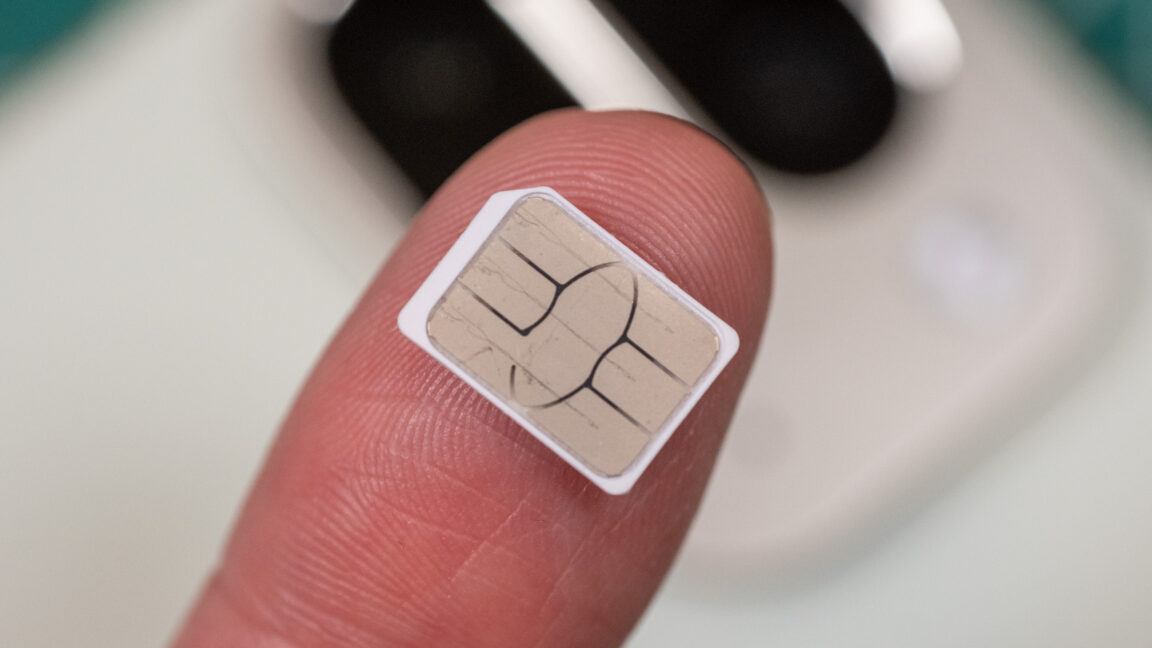
AAAAAND IT’S GONE I switched to eSIM in 2025, and I am full of regret Swapping SIM cards used to be easy, and then came eSIM. RYAN WHITWAM – DEC…
Sources
- I switched to eSIM in 2025, and I am full of regret
- The downsides of eSIM-only phones like the Google Pixel 10
- Did you have any issues switching to eSIM with the Pixel …
- eSim only – Hard pass | Page 2
Related posts
- How to adjust what online platforms show you: tuning algorithms
- Tesla appears to be developing Apple Wallet car‑key support for iPhone
- How One Hand Operation+ and RegiStar fixed my Galaxy’s ergonomics