
TL;DR
Greenland’s ties to Denmark trace from Norse settlement through colonial rule to modern self-government, with key legal and strategic milestones shaping the relationship. Recent U.S. interest, including attempts by the Trump administration to acquire the island, has revived debate about sovereignty, security and Greenland’s economic dependence on Denmark.
What happened
Greenland’s incorporation into the Kingdom of Denmark reflects a long history that begins with Norse settlement around the end of the 10th century under Erik the Red and continues through colonial and diplomatic developments. The Norse presence faded by the early 15th century; sustained European contact resumed with Norwegian missionary Hans Egede in 1721 under the Denmark–Norway crown, launching a colonial era. When Denmark and Norway separated in 1814, Denmark retained Greenland. International recognition of Danish rights came in the 20th century, including U.S. confirmation linked to diplomatic deals and a 1933 ruling by the Permanent Court of International Justice against a Norwegian claim. Postwar developments saw Greenland integrated into Denmark in 1953, Home Rule in 1979 and expanded self-rule in 2009 that includes a legal pathway for independence. Greenland today remains economically dependent on an annual Danish subsidy and on Denmark for certain state services, while the United States has long held strategic interests in the island—interests that became politically prominent during the Trump administration’s efforts to acquire Greenland.
Why it matters
- Greenland’s legal and political status is the result of centuries of historical, colonial and diplomatic processes that affect contemporary governance and self-determination.
- The island’s small population and harsh environment mean it remains financially dependent on a substantial Danish block grant, making independence contingent on economic viability.
- Greenland occupies strategic value for international security, a factor behind sustained U.S. military and diplomatic interest since World War II.
- Attempts by outside powers to change Greenland’s status raise questions about sovereignty, international law and the principle that Greenlanders should decide their own future.
Key facts
- First Nordic presence in Greenland dates to Erik the Red around the end of the 10th century.
- Norse settlements disappeared by the start of the 15th century; causes are debated and include climate change and conflict with Inuit newcomers.
- Contact was reestablished in 1721 when Norwegian priest Hans Egede arrived with backing from the Denmark–Norway crown, beginning formal colonial relations.
- After the 1814 Denmark–Norway split, Denmark retained Greenland and consolidated colonial control through the 19th and early 20th centuries.
- U.S. recognition of Danish rights to Greenland occurred in the context of arrangements linked to the American purchase of the Danish West Indies; a 1933 Permanent Court of International Justice ruling rejected a Norwegian claim.
- Greenland was incorporated into Denmark in 1953, granted Home Rule in 1979, and gained expanded self-rule in 2009 with a legal blueprint for possible independence.
- Greenland’s population is around 56,000, and it depends on an annual Danish block grant of roughly $600 million as well as Danish provision of services like defense and law enforcement.
- U.S. strategic involvement began in World War II when Danish ambassador Henrik Kauffmann arranged U.S. base rights; U.S. presence continued through NATO and the Cold War.
- During the Trump administration, high-level U.S. efforts to acquire Greenland—and references to military options—sparked resistance in Greenland and Denmark.
What to watch next
- Progress in Greenlandic efforts to build the economic foundations required for independence and whether Denmark will accept long-term post-independence assistance — not confirmed in the source.
- Diplomatic engagement among Greenland, Denmark and the United States to manage legitimate security concerns without undermining Greenlandic self-determination.
- Any renewed attempts by external powers to alter Greenland’s status or increase influence operations targeting Greenlandic political actors — not confirmed in the source.
Quick glossary
- Home Rule: A form of autonomous governance in which a territory gains authority over many internal matters while remaining part of a sovereign state.
- Self-rule: An expanded level of autonomy that can include a legal framework and political structures enabling a territory to pursue its own future, including potential independence.
- Block grant: A lump-sum transfer of funds from a central government to a regional government, often used to support public services and development.
- Permanent Court of International Justice (PCIJ): A predecessor to the International Court of Justice that issued rulings on disputes between states under the League of Nations framework.
- Base rights: Permissions granted by a host state for another country to establish and operate military facilities or installations on its territory.
Reader FAQ
How did Greenland come under Danish rule?
Denmark’s connection to Greenland strengthened from colonial governance established after 1721; Denmark retained Greenland after the 1814 split with Norway and later consolidated international recognition.
Do Greenlanders want independence?
Polls indicate a majority support eventual independence in principle, but many Greenlanders oppose independence if it would collapse the welfare system supported by Danish funding.
Did the United States try to buy Greenland?
The Trump administration pursued options to acquire Greenland and publicly discussed the idea, including at times refusing to rule out military options; the attempt was rejected by Greenlandic and Danish authorities.
Will Greenland become independent soon?
not confirmed in the source
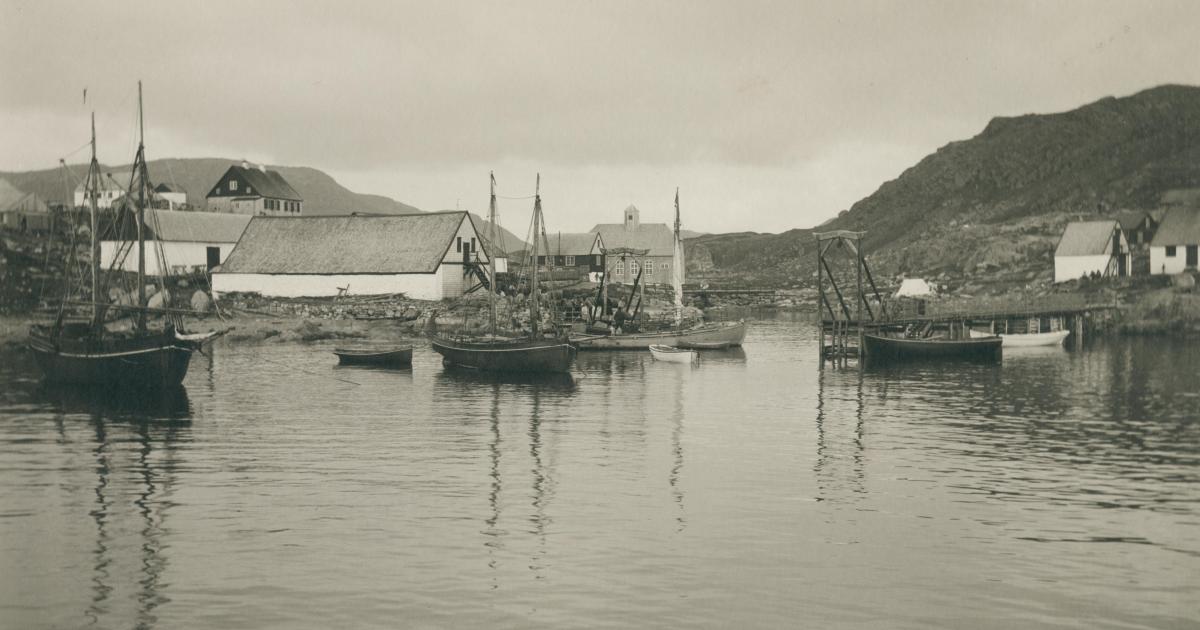
Breadcrumb Home Dive into DIIS publications Why is Greenland part of the Kingdom of Denmark? A Short History ARTICLE 9 October 2025 Why is Greenland part of the Kingdom of…
Sources
Related posts
- I Replaced Windows with Linux on My Desktop — Everything’s Going Well
- Org Mode Syntax: A Practical, Standardized Lightweight Markup for Text
- NASA Orders Early Return of Crew-11 After Astronaut Falls Ill on ISS