
TL;DR
A writer tried the Galaxy Watch 6 Classic's 'Watch Only' battery-saving mode after losing a charger and found that, despite a claimed multi-day battery boost, the mode's requirement to press a button and wait undermines the core convenience of a watch. The piece argues the feature is poorly implemented and could be improved with an always-on or dim display option.
What happened
On New Year's Eve 2025 the author discovered the charging puck for a Samsung Galaxy Watch 6 Classic was missing and the watch had about 40% battery remaining. To avoid running out of power, the author enabled the watch's 'Watch Only' mode, which the watch indicated could extend battery life by roughly 12 days. In practice, the mode disabled most smartwatch features and required pressing the home button and waiting a second or two for the display to wake in order to see the time. That interaction removed the quick glance convenience that defines a wristwatch. The author judged the mode as largely pointless in its current form and suggested a simple fix—allowing an always-on or dimmed display within the low-power mode—so it would still serve its primary function of telling time while conserving energy.
Why it matters
- Battery-saving features that remove the quick-glance ability defeat the core convenience of wearing a watch.
- Marketing claims of extreme standby times can be hollow if practical usability is compromised.
- Design choices that maximize battery life may need to balance power savings against essential functionality.
- A small software change (e.g., a dim or always-on option) could materially improve real-world usefulness of low-power modes.
Key facts
- The device involved was a Samsung Galaxy Watch 6 Classic.
- The author realized the watch charger (referred to as a charging puck) was missing while away from home.
- With about 40% charge remaining, the author enabled 'Watch Only' battery-saving mode.
- 'Watch Only' reportedly extended the watch's battery life by about 12 days.
- In this mode, the watch required pressing the home button and waiting briefly for the display to show the time.
- The author found that delay and required button press made the watch no quicker to check than pulling out a phone.
- The author suggested adding an always-on or dim-display option to improve the mode's practicality.
- The writer framed the feature as more of a marketing-friendly spec than a useful real-world function.
What to watch next
- Whether Samsung issues a software update that enables an always-on or dim-display option within Watch Only mode — not confirmed in the source.
- If other smartwatch makers adopt similar extreme low-power modes but implement them with quicker time visibility — not confirmed in the source.
Quick glossary
- Watch Only mode: A smartwatch low-power setting that disables most features and limits the device to basic time display to conserve battery.
- Always-on display: A display mode where key information such as the time remains visible continuously at low brightness to allow quick viewing.
- Battery-saving mode: Software settings that reduce a device's power consumption by limiting background processes, connectivity, sensors, or screen usage.
- Charging puck: A magnetic or snap-on charger used by many smartwatches to recharge the internal battery.
Reader FAQ
What does Watch Only mode do?
It disables most smartwatch functions to conserve power and limits the device to a basic time display; the source reports it claimed about 12 days of battery life in this case.
Is Watch Only quick to check the time?
According to the author's experience, it required pressing the home button and waiting a second or two, which negated the quick-glance advantage.
Can Watch Only be made more useful?
The author suggested adding an always-on or dimmed display option so the time can be seen immediately, but whether that will happen is not confirmed in the source.
Should I rely on Watch Only if I forget my charger?
The author found the mode impractical for quick time checks and suggested a cheap conventional watch might be more reliable for extended timekeeping; personal decisions may vary.
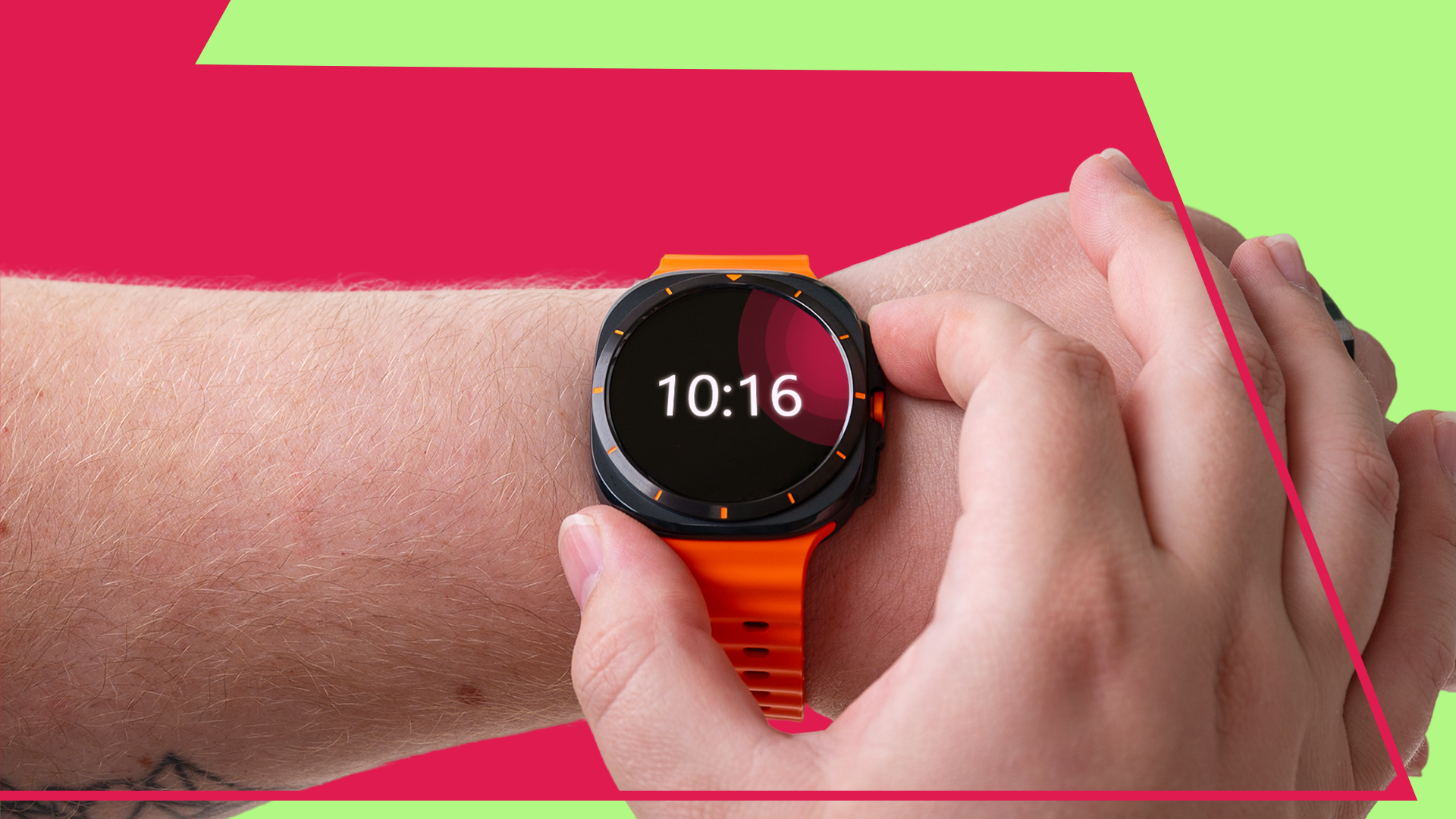
The smartwatch battery-saving mode that's not worth your time Credit: Lucas Gouveia / Justin Duino / Android Police By Mark Jansen Published 24 minutes ago Mark has almost a decade of…
Sources
- The smartwatch battery-saving mode that's not worth your time
- Reduced battery life on your Samsung smart watch
- Why my Galaxy Watch finally feels useful after switching a …
- Solved: Ridiculous battery issues.
Related posts
- CES 2026 roundup: Gadgets from the show the author says they might buy
- Nine apps that turned my phone into a pocket hospital — tracking health
- Best New Year’s Resolution Deals for Sleep, Fitness, and Planners (2026)