
TL;DR
After testing the Google Pixel Watch 4, the reviewer found its design, bright curved display, and notably faster charging made the device easy to adopt for daily wear. Fitness and sleep features work but lack some specialized modes and on-device actionable insights.
What happened
The reviewer, who previously preferred an analog watch or a Xiaomi Band 6 and had avoided frequent-charging smartwatches, spent several weeks using the Google Pixel Watch 4. They tested the 41 mm unit but said they'd personally choose the 45 mm for a larger screen and better battery. The watch brings a domed Actua 360 display with thinner bezels and a peak brightness the author described as very high, making outdoor visibility easier. Battery performance exceeded a single day on lighter-use days, and the watch uses a proprietary puck-style charger that supports rapid charging; real-world topping-up times approached but did not exactly match Google's advertised 0–50% in 15 minutes and 0–100% in 45 minutes. In activity use, the device tracked pickleball, walks and gym sessions but lacked specialized equipment modes; cardio detection, step and floor-count measurements were sometimes inconsistent. The reviewer appreciated updated Material UI visuals, pinch gestures for quick controls and Gemini voice interactions, but noted limited on-watch sleep and readiness guidance.
Why it matters
- Faster charging and multi-day battery potential reduce daily charging friction, which can increase smartwatch adoption for casual users.
- A brighter, domed display with slimmer bezels improves readability outdoors and refreshes the visual design for Android wearables.
- Gaps in specialized workout modes and intermittent detection errors highlight limits for users who want precise gym or activity tracking.
- Lack of actionable on-device sleep and readiness insights suggests more development is needed in fitness intelligence and edge AI.
- Tighter integration with Pixel UI and voice features points to a smoother experience for users in the Google ecosystem.
Key facts
- Reviewer previously used an analog watch and a Xiaomi Band 6, and had avoided an Apple Watch.
- Test unit was the 41 mm Pixel Watch 4; reviewer prefers 45 mm for battery and display size.
- Display is a curved domed Actua 360 panel with thinner bezels and very high peak brightness.
- Battery lasted more than a day on lighter-use days according to the reviewer’s testing.
- Charger is a proprietary puck-style cradle; Google advertises 0–50% in 15 minutes and 0–100% in 45 minutes; real-world times came close but did not exactly match those figures.
- Used the watch for pickleball, walking and gym sessions; treadmill and elliptical modes exist but there are no specialized modes for specific gym equipment.
- Cardio workout detection triggers after 15 minutes of continuous activity but was inconsistent during walking for this reviewer.
- Floor-count readings were sometimes inaccurate in real-world use.
- Software updates added gestures (pinch to dismiss notifications, control media and calls) and support for using Gemini via raise-to-talk.
- Daily on-watch sleep and readiness summaries lack deeper actionable insights; Fitbit app provides suggestions.
What to watch next
- Software updates that add more AI-driven, on-device fitness and sleep insights — not confirmed in the source
- Expansion of quick-start workout options and specialized gym equipment modes through firmware or app updates — not confirmed in the source
- Whether real-world fast-charging consistency holds up across longer-term use and across different units — not confirmed in the source
Quick glossary
- Actua 360 display: A curved, domed display design that wraps the screen edge for a rounder appearance and reduced visible bezels.
- Nit: A unit of luminance used to describe screen brightness; higher numbers indicate a brighter display.
- Readiness score: A health metric, often combining sleep, activity and recovery signals, intended to indicate how prepared the body is for exertion.
- Proprietary charger: A charging accessory that relies on a device-specific cradle or connector rather than a universal standard like USB-C or Qi.
- Gemini: Google’s AI assistant platform that can respond to voice queries and perform device tasks when supported.
Reader FAQ
Does the Pixel Watch 4 have good battery life?
The reviewer got more than a day on lighter-use days, and cited fast top-up charging as a key benefit.
How fast does the watch charge in real use?
Google’s advertised 0–50% in 15 minutes and 0–100% in 45 minutes were not met exactly but real-world timings came close, making short charges useful.
Is sleep and readiness tracking actionable on the watch?
The on-watch daily summary lacks deeper actionable insights; the reviewer relied on the Fitbit app for suggestions.
Does it support specialized gym equipment tracking?
No; the watch offers general workout types such as treadmill, elliptical, core training and weights rather than modes for specific gym machines.
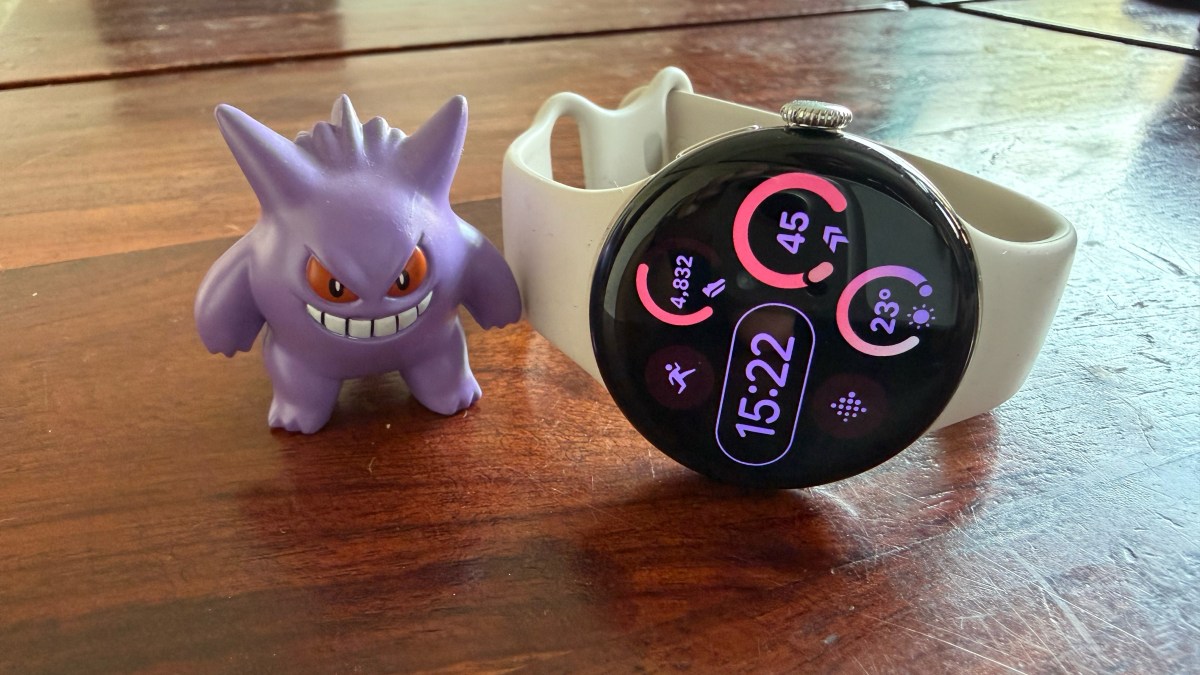
For the last few years, I wore either an analog watch or Xiaomi Band 6 for basic step tracking and time. I didn’t opt for an Apple Watch because I…
Sources
- The Google Pixel Watch 4 made me like smartwatches again
- The Pixel Watch 4 is great, but I'm sticking with my Galaxy …
- A Month With the Pixel Watch 4: I'm Still a Fan, but It's …
- The best Google Pixel of 2025 wasn't even a phone
Related posts
- macOS Tahoe Year in Review: Interface Changes That Missed the Mark
- The Best PS5 Games of 2025 — Sony’s Standouts Despite Fewer Exclusives
- Flight-Tested and Reviewed: The 10 Best Drones of 2025 for Every Budget