
TL;DR
Rapid growth in electricity demand — driven in part by a surge in data centers and AI workloads — is straining the U.S. grid and raising rates. Startups and major tech firms are pitching software tools to locate unused capacity, coordinate distributed batteries, and make the system more flexible as utilities delay costly hardware upgrades.
What happened
Concerns about the electrical grid intensified in 2025 as spikes in demand, publicized outages and rising prices pushed energy infrastructure into the spotlight. Electricity prices in the U.S. rose about 13% this year amid an AI-driven expansion of compute facilities; forecasts cited in the reporting predict data center electricity use could nearly triple over the next decade. A wave of software-focused companies has emerged, arguing that digitized tools can reveal underused capacity and better orchestrate existing assets. Firms such as Gridcare and Yottar mine transmission, distribution and local data to identify connectable sites, while others are aggregating distributed batteries into virtual power plants. Established technology players are also involved: Nvidia is collaborating with a power industry R&D body on sector-specific models, and Google is testing AI with a regional grid operator to speed processing of connection requests. The argument is that software may offer a faster, less expensive route to improve reliability than building new infrastructure alone.
Why it matters
- Growing electricity demand from data centers and wider electrification could outpace planned grid investments, risking higher prices and reliability issues.
- Software may unlock existing capacity and coordinate resources faster and cheaper than building new transmission or generation.
- Aggregated batteries and distributed resources can act as virtual power plants, providing flexibility during peak stress.
- Utilities’ slow investment cycles make software an attractive near-term option, but reliability concerns remain a key barrier.
Key facts
- U.S. electricity rates rose about 13% in 2025, according to the reporting.
- Projected electricity consumption by data centers could nearly triple over the coming decade.
- Startups named in the coverage include Gridcare and Yottar (site-finding/connection optimization).
- Companies such as Base Power and Terralayr are assembling distributed batteries into virtual power plants.
- Other firms — Texture, Uplight, and Camus — are building software layers to coordinate wind, solar and storage.
- Nvidia is partnering with EPRI (a power sector R&D organization) to develop industry-specific models.
- Google is collaborating with PJM, a regional grid operator, to apply AI to a backlog of connection requests.
- Environmental groups have called for a nationwide moratorium on some new data center projects, per the source.
- Utilities remain cautious about new technologies because investments are long-lived and regulators and ratepayers can resist higher costs.
What to watch next
- Whether software providers can prove reliability to utilities and regulators; not confirmed in the source.
- How rapidly virtual power plant deployments scale and whether they materially reduce peak stress on the grid; not confirmed in the source.
- Regulatory responses to new data center builds and any moratorium actions prompted by environmental or community pressure; not confirmed in the source.
Quick glossary
- Virtual power plant (VPP): A coordinated network of distributed energy resources (like batteries and solar) operated together to provide services to the grid.
- Distributed energy resources (DERs): Small-scale energy generation or storage assets located close to where electricity is used, such as rooftop solar or home batteries.
- Transmission and distribution: The high-voltage (transmission) and local (distribution) systems that move electricity from generators to end users.
- Grid operator: An organization responsible for balancing supply and demand and ensuring reliable operation of the electricity network in a region.
Reader FAQ
Why are startups pitching software for the grid?
They say software can reveal unused capacity and better coordinate existing assets, offering a less costly and faster alternative to building new infrastructure.
Are data centers the main cause of the increased grid stress?
The reporting cites an AI-driven surge in data center demand and projects a large increase in their electricity use, but it does not attribute all grid stress solely to data centers.
Will utilities adopt these software solutions quickly?
Utilities are generally cautious because of reliability concerns and the long-lived nature of infrastructure; rapid adoption is not confirmed in the source.
Is there a nationwide moratorium on new projects?
Environmental groups have called for a moratorium, but the source does not confirm any nationwide policy being enacted.
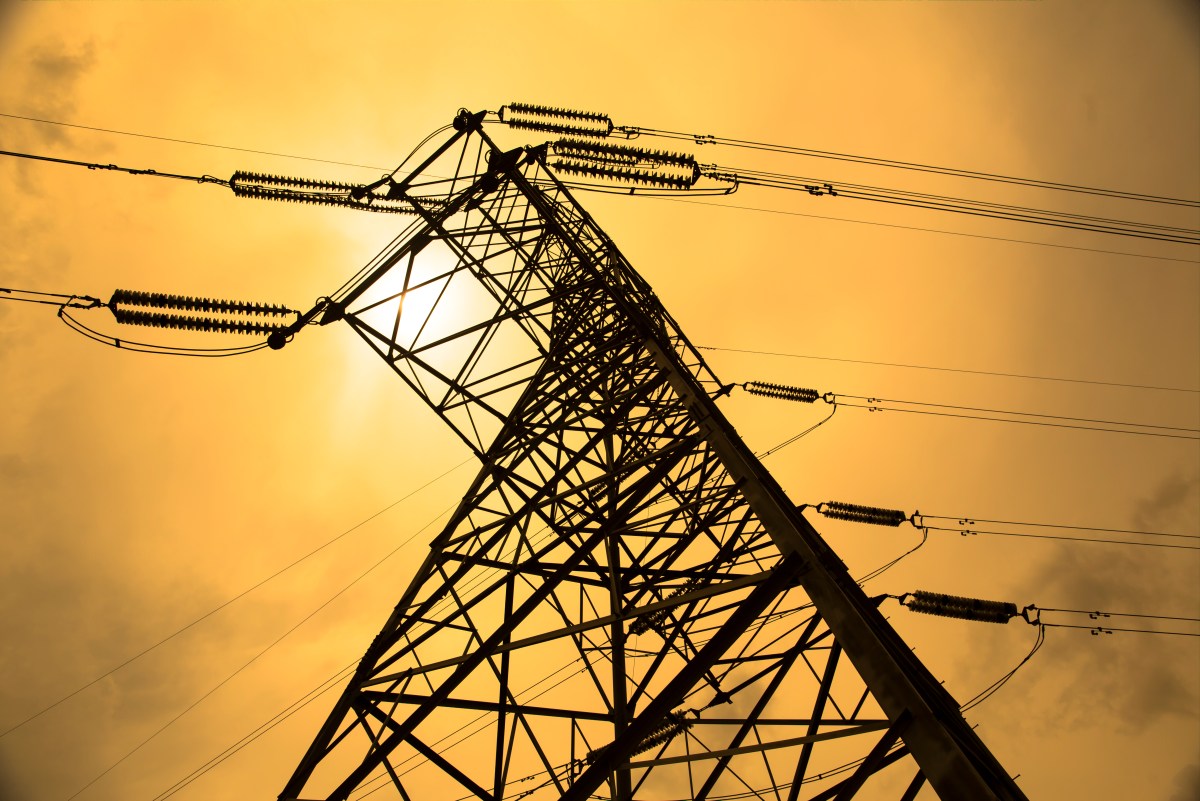
One of the nicest comments people have made about the electrical grid was … nothing. The grid works best when it fades into the background. That low-profile status has changed…
Sources
- Why the electrical grid needs more software
- Grid Modernization and the Smart Grid
- How smarter software can help utilities build a stronger grid
- Five ways Amazon is helping modernize the U.S. power grid
Related posts
- Are We Ready to Be Governed by Artificial Intelligence? Experts Weigh In
- Using ChatGPT’s new app integrations: DoorDash, Spotify, Uber and more
- 32 enterprise tech startups selected for TechCrunch Disrupt’s Startup Battlefield