
TL;DR
WIRED staff tested a range of tech-forward cat toys and furniture with their own cats and shortlisted items that engaged natural hunting and play instincts. The guide highlights interactive toys, rechargeable devices, treat puzzles, pet cameras, and modular furniture tested for durability and enrichment.
What happened
WIRED's pet-tech reviewers compiled a list of favorite cat toys and furniture after years of hands-on testing with their own cats. Editors evaluated products for construction, design, value, and whether they stimulated typical feline behaviors—chasing, pouncing, chewing, and problem-solving—even when a particular item didn’t interest every cat. Standouts include rechargeable interactive toys with multiple play modes (one popular wand-style toy runs about six days on a USB charge and offers a replacement wand), motion-activated flapping and chirping bird toys with long battery life, rolling-ball play mats, laser devices with motion sensors, and treat puzzles that let owners scale difficulty. The roundup also covers subscription boxes, durable stuffed toys, silvervine chew sticks for cats unresponsive to catnip, app-connected pet cameras that can aim lasers, and a robot companion that dispenses treats while moving around the home.
Why it matters
- Interactive and motion-based toys tap into cats’ hunting instincts and can provide physical exercise.
- Rechargeable and modular products offer convenience and can sustain longer engagement compared with single-use toys.
- Treat puzzles and food-motivated toys provide mental stimulation and can be adjusted to match a cat’s skill level.
- Remote-play devices let owners interact with pets while away, though reliability varies across products.
- Increasing vertical space through furniture adds passive enrichment for indoor cats.
Key facts
- Sofolor interactive wand toy offers three modes (Normal, Active, Interactive), auto-shutoff after inactivity, a USB charger, and about six days of battery life on a charge; it includes a replacement wand.
- Viwik interactive play mat uses a rechargeable rolling ball that lights up and moves erratically; the ball has a relatively short battery life and can roll under furniture.
- Valonii motion-activated laser toy includes three interactive modes and a motion sensor; it typically needs recharging after about a day of use.
- Catstages treat puzzle is adjustable—covers or cup placement can be changed to raise or lower puzzle difficulty for food-motivated cats.
- Meowbox is a subscription service that ships themed boxes of toys and treats every one or two months; the company donates food to a shelter for every box sold.
- Snuggly Cat’s Ripple Rug is configurable for play, made from material sourced from 24 post-consumer plastic bottles, and stands up to claws.
- Potaroma Flapping Bird is motion-activated, chirps and flaps in 10-second intervals when pawed, includes a feather tail, is rechargeable via USB, and the battery can last for weeks between charges.
- Bawan silvervine chew sticks are effective for cats that don’t respond to catnip; the source notes about 40% of cats may not react to catnip.
- GoCat Da Bird’s original feather attachment uses a swivel mechanism akin to a fishing lure to create lifelike feather movement.
- Petcube Play 2 lets owners control a laser through an app and can auto-engage on motion, though motion-triggered engagement was often unreliable in testing; Enabot’s Rola robot combines a camera, treat dispenser, and movable toy attachment but had app glitches and limited onboard intelligence.
What to watch next
- Potential improvements in motion-sensor sensitivity for camera- and robot-linked toys to trigger engagement more reliably (not confirmed in the source).
- Longer-lasting, faster-charging batteries for small rechargeable toy components to reduce downtime between play sessions (not confirmed in the source).
- Enhanced app stability and smarter behavior for companion robots and pet cameras to better coordinate remote play and treat dispensing (not confirmed in the source).
Quick glossary
- Interactive toy: A pet toy that responds to movement, touch, or remote control to simulate prey or encourage play.
- Motion sensor: A device that detects movement and can trigger a toy or camera function when activity is observed.
- Silvervine: A plant-based stimulus used in cat products that can elicit a euphoric or playful response in some cats, similar to catnip.
- Treat puzzle: A toy that hides food or treats and requires a pet to manipulate parts to access the reward, offering mental stimulation.
- Rechargeable battery: A battery that can be restored to usable charge via a power source such as USB, reducing reliance on disposable batteries.
Reader FAQ
Are laser toys frustrating for cats?
The source notes debate among owners; some worry lasers can frustrate cats who can’t catch a dot, while WIRED reviewers mitigated this by offering treats after play.
How can I keep a cat interested in toys?
Reviewers found rotating toys—putting items away for a few days before reintroducing them—helped maintain interest.
Do most cats react to catnip?
The source states roughly 40% of cats may not respond to catnip; alternatives like silvervine chew sticks can be effective for those cats.
Are app-connected pet cameras and robots worth it?
Testing showed mixed results: app-controlled lasers and moving cameras can enable remote play, but motion detection and app reliability varied across products.
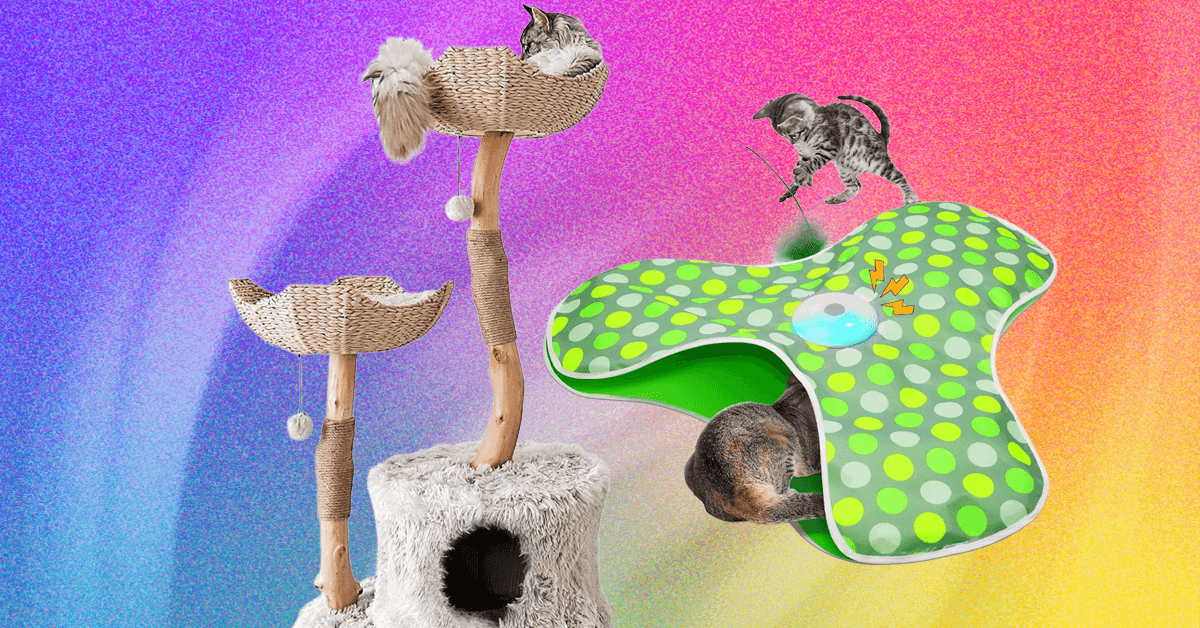
MOLLY HIGGINS GEAR JAN 7, 2026 6:38 AM The Best Cat Toys Based on years of testing with our cats, these are our favorite WIRED-approved, techy cat toys and furniture….
Sources
- The Best Cat Toys for Your Furry Friend (2026)
- Our Favorite Fancy Cat Furniture
- The Best Cat Toys | Tested & Rated
- 5 Best Interactive Cat Toys for Bored Cats
Related posts
- Home Pilates Equipment Guide: What to Buy, Skip, or Splurge — Studio-Quality Workouts
- Arcade Terminator machine halted by failing motherboard battery warning
- Philips Hue’s SpatialAware maps lights to improve scene distribution